
Figuring out where you sit with gambling can be difficult, especially if you’re unfamiliar to the entire concept of responsible gambling tools https://cashed-au.com/responsible-gambling. Self-assessment tools provide you a simple, private way to reflect on your behavior, your choices, and likely risks before they snowball. At Cashed Casino, we encourage players to use these tools as part of keeping play secure and fun. This guide takes you through what self-assessment tools mean, why they count for Australian players, and what to make with the results. You don’t require any background knowledge. A bit of honesty and a few calm minutes can make a real effect for anybody who wants to remain in control.
Where to Locate Support and Resources
Australian players enjoy a robust network of complimentary and private support services. Gambling Help Online delivers 24/7 counselling and self-help resources, and you can get in touch with them at 1800 858 858. Lifeline extends crisis support at 13 11 14 for anyone going through emotional distress. Financial counselling services, accessible through the National Debt Helpline, can help with gambling-related money problems. A GP is also a useful starting point for a mental health care plan. Cashed Casino encourages players to reach out to its support team for assistance with account tools or for a referral to an suitable service. No one has to deal with this alone.
Self-assessment tools are a useful first step for anyone who wishes to understand their gambling habits. By recognising early warning signs, using honest reflection, and responding to the results, Australian players can form informed choices about limits, self-exclusion, and support. Cashed Casino is dedicated to providing the tools and guidance necessary for responsible play. A short questionnaire may look small, but it can open the door to healthier habits and greater peace of mind. Every player can gain from checking in with themselves from time to time. The goal isn’t perfection; it’s awareness, action, and self-care.
How to Utilize a Self-assessment Tool
Using a self-assessment tool is straightforward, but the accuracy of the results hinges on your honesty. Allocate a quiet block of time and answer as honestly as you can, thinking about the last six to twelve months instead of just your latest session. It is beneficial to avoid assessing any answer as good or bad; the purpose is awareness, not perfection. If a question makes you uncomfortable, that discomfort is significant. After you complete the tool, review the suggested risk level and note down two or three observations that are striking. Those notes serve as a practical starting point for the next step.
Turning Results into Action: Limits and Voluntary exclusion
If a personal evaluation indicates a average or significant level of risk, the following move is to establish realistic parameters. Deposit limits are one of the simplest and strongest tools accessible. You determine how much money you are ready to spend over a single day, week, or month, and then configure that limit through your account settings. Time limits and reality checks work in a analogous way, reminding you how long a playtime has lasted. Cashed Casino provides account-based limit tools that you can activate swiftly. These limits form a pause between urge and execution, giving you time to reconsider your decisions.
For many players, limits fall short, and voluntary exclusion becomes the more secure option. Self-banning means asking a gambling company to block access to your account for a selected period, from a quick cooling-off break to a lasting closure. In Australia, you can also enroll with BetStop, the national self-exclusion register, which stops access to licensed online and phone gambling services. At Cashed Casino, the help desk can walk you through the self-exclusion process and explain the existing options. Undertaking this step isn’t a sign of failure; it’s a responsible decision that protects your welfare and opens up space for restoration.
Typical Signs a Self-assessment Can Uncover
Self-assessment tools often expose hidden signs to the surface. One common indicator is using more money than you originally intended, whether that means adding funds again after a loss or blowing past a weekly budget. Another sign is running after losses, which happens when you keep playing to try and get back money you’ve already lost. Emotional signals matter as well, like feeling agitated when you can’t gamble, or thinking about gambling during work, family time, or other tasks. These patterns can seem innocent on their own, but when several show up at once, they suggest a growing dependence on gambling that merits attention.
A self-assessment can also reveal financial and social warning signs that are easy to miss. Getting money to gamble, parting with personal items, or using funds set aside for bills are serious red flags. Many people don’t realise how often they keep secret their gambling from partners, friends, or colleagues until a questionnaire asks outright. Abandoning hobbies, skipping appointments, or sacrificing sleep because of late-night sessions are further signals. Identifying these behaviours isn’t about feeling guilty; it’s about gaining awareness. The earlier you spot these signs, the more alternatives you have to regain control through restrictions, self-exclusion, or professional assistance.
What Are Self-assessment Tools?
Self-assessment tools are organized questionnaires or checklists that help you to review your gambling behaviour. They are not clinical tests, but they can highlight patterns you might otherwise miss. Most tools ask how often you gamble, how much money you spend, how you respond emotionally to wins and losses, and whether gambling affects daily life. When you answer honestly, you gain a picture of where your habits stand on a spectrum from low risk to problematic. These tools are easily found online, typically free, and you can complete them anonymously. They’re a strong starting point for anyone who desires a clearer picture of their relationship with gambling.
Different tools utilize different formats, but most are based on a scoring system. A typical self-assessment might present statements like ‘I have tried to win back money I lost’ or ‘I have hidden my gambling from family members.’ You rate how often each statement applies, and the total score suggests a level of risk. Some tools also contain open-ended reflection questions about stress, sleep, and relationships. The goal doesn’t aim to label you, but to foster honest self-reflection. For Australian players, these tools can be particularly helpful because they line up with national responsible gambling messages and can guide someone toward the right support if needed.
The reason Self-assessment Matters for Australian Players
Australia has one of the biggest rates of gambling participation in the world, with pokies, sports betting, and online casinos conveniently accessible across the country. That makes spotting risky behaviour early particularly important. Self-assessment tools give Australian players a personal, judgement-free way to check their habits without having to talk to anyone else first. You can access them at home, on your phone, or during a quiet moment after a gambling session. For a lot of people, seeing the results in black and white is the moment they recognise a pattern. Cashed Casino encourages all players to do a self-assessment regularly, not just when problems show up, because prevention is always easier than repair.
FAQ
At what interval should a player finish a self-assessment tool?
There’s no strict rule, but many responsible gambling experts recommend completing a self-assessment once every couple of months or if your gambling habits change. You might also check in after a big loss, a long session, or a life event that impacts your stress levels. Regular check-ins assist catch small shifts before they become serious. At Cashed Casino, players are motivated to treat self-assessment as a regular part of their routine, comparable to reviewing a budget or checking account statements.
How accurate are self-assessment tools?
Self-assessment tools are not diagnostic instruments, but they are accurate enough to spotlight patterns that merit attention. Their value hinges on how honestly you respond. They can reveal behaviours such as chasing losses, hiding gambling, or spending beyond your limits. A high score is not a sign you have a gambling disorder, but it indicates a conversation with a professional or a review of your personal limits makes sense. The results are best employed as a starting point for reflection and action.
How do you distinguish between a limit and self-exclusion?
A boundary is a constraint you establish for your own account, like a deposit cap or session cbc.ca time. Limits allow gambling to proceed within healthier parameters. Self-exclusion is a more effective measure that restricts access to your account for a chosen period or forever. In Australia, BetStop can apply that block across various licensed services. Both tools support responsible gambling, but self-exclusion is commonly used when limits no longer feel like enough to maintain control.
Is it possible for self-assessment tools be used anonymously?
Certainly, a lot of free self-assessment tools can be filled out without providing personal details. These are often available on responsible gambling websites and through support services. This anonymity can simplify to be honest about your conduct. However, anonymous tools do not offer follow-up support or account changes. For players who want to set limits or self-exclude at Cashed Casino, identity verification is mandatory to protect account security and guarantee the correct account is modified.
What should a player do if a self-assessment shows high risk?
Can Cashed Casino have its own self-assessment tool?
If a self-assessment indicates high risk, take the result seriously. Immediate steps include setting deposit and time limits, taking a cooling-off break, or requesting self-exclusion. It’s also wise to contact a support service such as Gambling Help Online at 1800 858 858 or speak with a trusted friend or GP. Cashed Casino’s support team can explain account tools and guide you toward appropriate professional resources. Early action greatly improves the chance of regaining control.
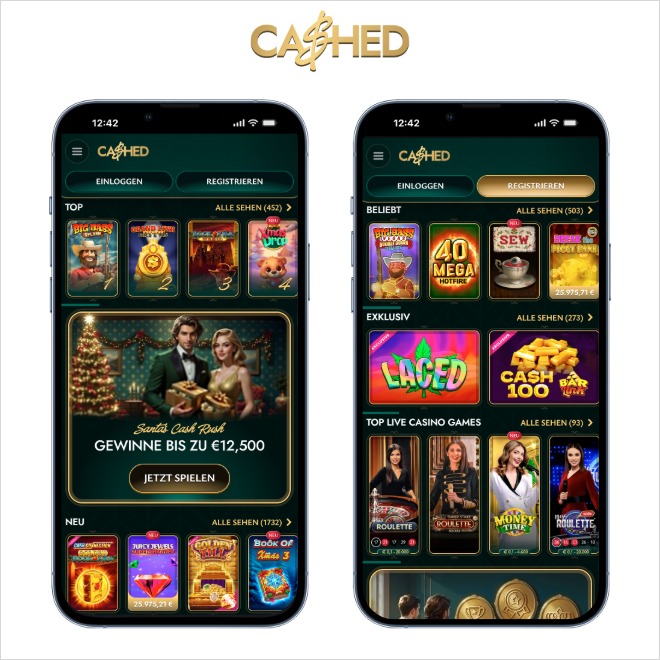
Cashed Casino directs players to trusted self-assessment tools and provides guidance on how to use them. The platform also offers practical account controls such as deposit limits, reality checks, and self-exclusion. Players who are unsure where to start can contact the support team for a confidential conversation. While Cashed Casino may not host a standalone quiz, it’s committed to making responsible gambling resources easy to find and simple to use for every Australian player.
🐦 Kicau Mania
Nikmati suara burung terbaik setiap hari! Rawat, latih, dan cintai burung kicauanmu.